


What Is Red Light Therapy? How It Works, Uses, and Benefits

Red light therapy has become a familiar part of home skincare, recovery, and wellness routines. It uses red and near-infrared light without needles, downtime, or ultraviolet exposure.¹
The important question is not whether it is a miracle tool. It is what red light therapy may realistically support, how it works, and what to expect from an at-home device.
Red Light Therapy: What Is It?
Red light therapy, also called photobiomodulation or low-level light therapy, uses specific bands of red and near-infrared light to influence biological processes. Most devices use LEDs, while some clinical systems use low-level lasers, and neither is the same as UV tanning.¹²
Red light commonly falls around 620 to 700 nanometers, while near-infrared light sits beyond the visible spectrum and can reach deeper tissue. The device delivers low-energy light to the skin rather than using heat to resurface or damage it.¹
What Does Red Light Treatment Do?
At a cellular level, red and near-infrared light can be absorbed by mitochondria, the structures that help cells create usable energy. This may support ATP production and trigger signaling involved in tissue repair, circulation, and inflammation control.²³
It is best viewed as a supportive wellness tool, not an instant solution. Results depend on wavelength, dose, device quality, the concern being addressed, and consistent use over time.¹⁷
How Red Light Therapy Works?
One proposed mechanism centers on cytochrome c oxidase, an enzyme involved in the mitochondrial energy process. Light exposure may help this pathway function more efficiently, which can affect cellular signaling and repair activity.²³
Red light therapy may also influence nitric oxide activity and local blood flow, helping oxygen and nutrients move through tissue. Unlike UV light, it does not tan the skin, and it should not burn skin when a quality device is used as directed.²
Common Uses of Red Light Therapy and Treatments
Red light therapy uses range from in-office dermatology treatments to convenient at-home masks, handheld devices, panels, and full-body systems. People commonly explore it for skin appearance, acne, hair concerns, wound support, muscle recovery, and temporary discomfort.
The strength of evidence is different for every use. Skin rejuvenation and inflammatory acne have encouraging research, while other applications still need larger and more standardized clinical studies.⁴⁵
Benefits of Red Light Therapy
Benefits vary by person, device, and treatment goal. Red light therapy should support a healthy routine, not replace professional care for a medical concern.¹⁷
Common red light therapy uses and potential benefits include:
- Skin health: May support collagen production, elasticity, smoother-looking texture, and the appearance of fine lines.⁴
- Inflammatory acne: May help reduce inflammatory acne lesions, particularly when used within an appropriate skincare plan.⁵
- Hair support: May be used alongside professional guidance for certain forms of hair thinning.
- Wound and tissue support: May assist cellular processes involved in tissue repair and recovery.⁶
- Pain and recovery: May help support comfort in sore muscles, joints, and soft tissue.⁶
A consistent approach matters more than chasing a stronger or longer session. Following the manufacturer’s instructions helps keep light exposure appropriate for the device and intended use.¹⁷
You may like to read this: 7 Benefits of Red Light Therapy
HEALiX Glow Pod vs. HEALiX Elevate Light Pod: Which Is Best for You?
Both the HEALiX Glow Light Pod and HEALiX Elevate Light Pod combine 660 nm red light with 850 nm near-infrared light. The difference comes down to the light balance, output, and the type of routine a person wants to build.
Choose the HEALiX Glow Light Pod for skin and daily wellness
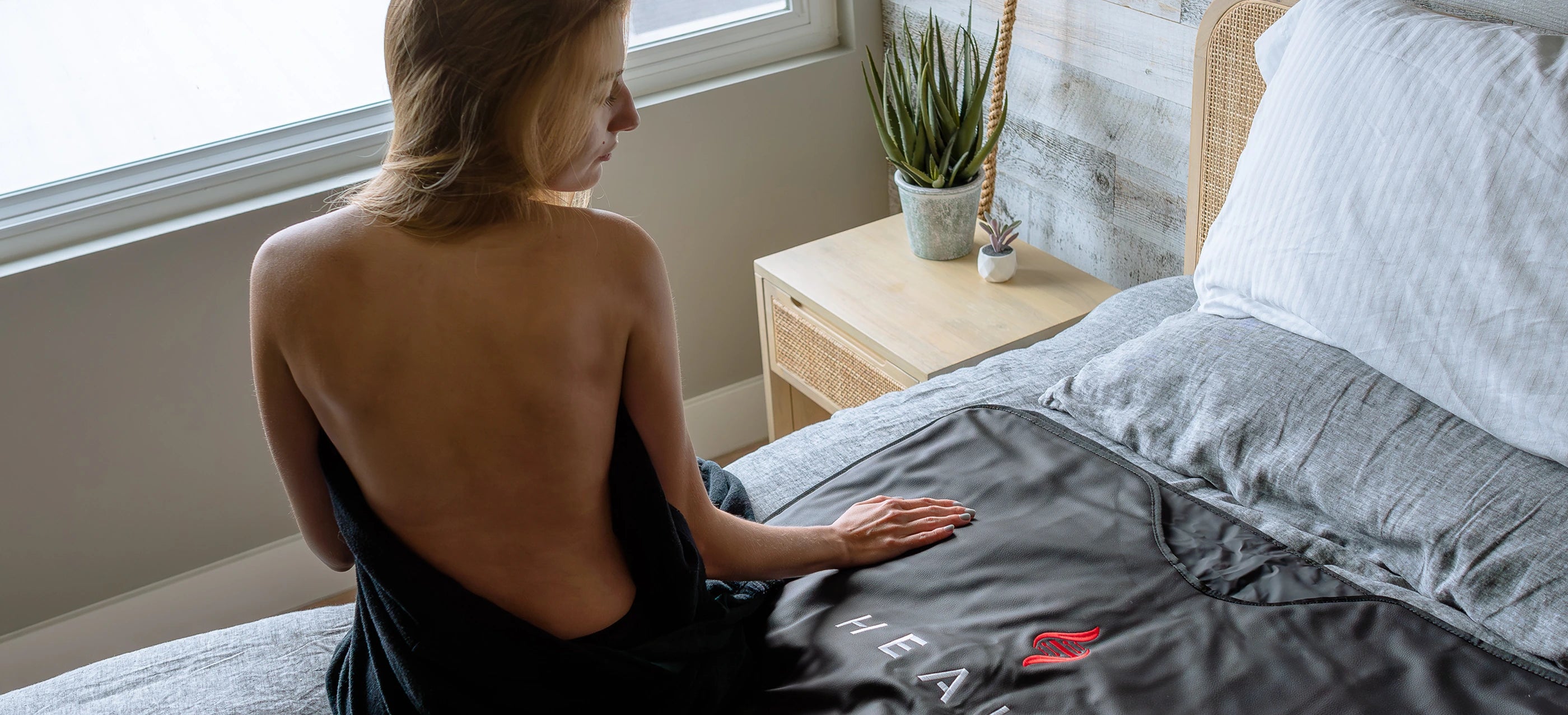
The HEALiX Glow Pod is a red light therapy blanket that uses a 4:1 ratio of red light to near-infrared light. This makes it a natural fit for people focused on skin vitality, everyday energy, and gentle full-body light sessions.
- Best for: Skin support, daily wellness, and light recovery.
- Light ratio: 4:1 red light to near-infrared light.
- Irradiance: Adjustable up to 101 mW/cm².
Choose the HEALiX Elevate Light Pod for deeper recovery
The Elevate Light Pod uses a balanced 1:1 ratio of red light and near-infrared light. Its higher near-infrared emphasis suits people who want a full-body option for muscles, joints, stiffness, and recovery-focused routines.
- Best for: Deep-tissue recovery, soreness, and chronic discomfort support.
- Light ratio: 1:1 red light to near-infrared light.
- Irradiance: Adjustable up to 149 mW/cm².
Common FAQs
What is red light therapy good for?
Red light therapy may support skin rejuvenation, inflammatory acne care, recovery, and temporary muscle or joint discomfort. The right use depends on the individual goal and the quality of the device.
What does red light therapy do for your face?
For facial use, red light therapy may support collagen-related processes, smoother-looking texture, and a more even-looking complexion. It works best as part of a consistent skincare routine that includes daily sun protection.
What does a red light mask do?
A red light mask delivers targeted red light, and sometimes near-infrared light, across the face. It is designed for convenient at-home skincare sessions without the need for a clinic visit.
What should you look for when buying a red light therapy device?
Look for clearly published wavelengths, treatment guidance, device output, eye-safety instructions, warranty coverage, and realistic claims. A quality brand should explain what the device is designed to support without promising impossible outcomes.
Is red light therapy safe for your skin?
Red light therapy is generally considered noninvasive when used as directed. Anyone with photosensitivity, a relevant skin condition, or medications that increase light sensitivity should speak with a healthcare professional first.
Is 10 minutes of red light therapy enough?
Ten minutes may be enough when it matches the device manufacturer’s recommended session time. There is no universal treatment length because distance, output, and treatment area can vary between devices.
How often should you use red light therapy to get results?
Consistency matters more than doing long sessions. Start with the device instructions, then give the routine several weeks before judging whether it fits your goals.
Conclusion
Red light therapy is a noninvasive way to use red and near-infrared light in support of skin health, recovery, and overall wellness. It has promising applications, but it works best when expectations remain realistic and routines stay consistent.
The best device depends on the goal. The HEALiX Glow Light Pod is suited to skin-focused and everyday sessions, while the HEALiX Elevate Light Pod is designed for people seeking deeper full-body recovery support.
No Commitment, No Spam.
Discover the psychological and biological tools that actually make a difference.
Get a free expert-developed e-book covering the top biological drivers of longevity and the psychology behind lasting wellness. Includes simple mental exercises and follow-up blogs to help you turn insights into real, lasting change.
Your information is secure with us. We’ll only send helpful, expert-backed content.


